If you keep asking yourself, “Why can’t I stop eating?” the problem may begin with how you’re asking the question. Shame and self-criticism can activate internal defenses that make it harder to understand what is actually driving your eating. Exploring the physical, emotional, relational, and spiritual factors behind overeating can create space for more effective—and lasting—change.
September 14, 2026

Trauma isn’t defined only by what happens to us. Our nervous system’s response—and the internal and external resources we have available to cope—can help determine whether an experience leaves us traumatized. Learn why objectively traumatic events don’t affect everyone in the same way, why experiences that aren’t typically considered trauma can sometimes produce traumatic responses, and how understanding this distinction can change the way we approach trauma healing.
September 11, 2026

“All foods fit” can be a liberating principle in eating disorder recovery, but it can also become another rule to follow. When food freedom turns into pressure to eat every food without fear, preference, or limitation, recovery can begin to feel like a performance. Learn how a more individualized approach can reduce intuitive eating confusion and make room for your body, history, culture, and needs.
August 4, 2026

Wellness culture has helped bring trauma, nervous system regulation, and somatic healing into everyday conversation. But it can also reduce complex experiences to quick fixes, healing “hacks,” and personal responsibility. This trauma-informed guide explores what wellness culture gets wrong about trauma and what a more ethical, individualized, and responsible approach to healing can look like.
July 27, 2026

Reproductive trauma—including pregnancy loss, infertility, miscarriage, and traumatic birth—can create a deep, often invisible form of grief. Learn why this pain can feel so isolating and how trauma-informed therapy, EMDR, IFS, somatic practices, self-compassion, and supportive relationships can help you process reproductive grief and begin healing without minimizing what you have been through.
July 27, 2026
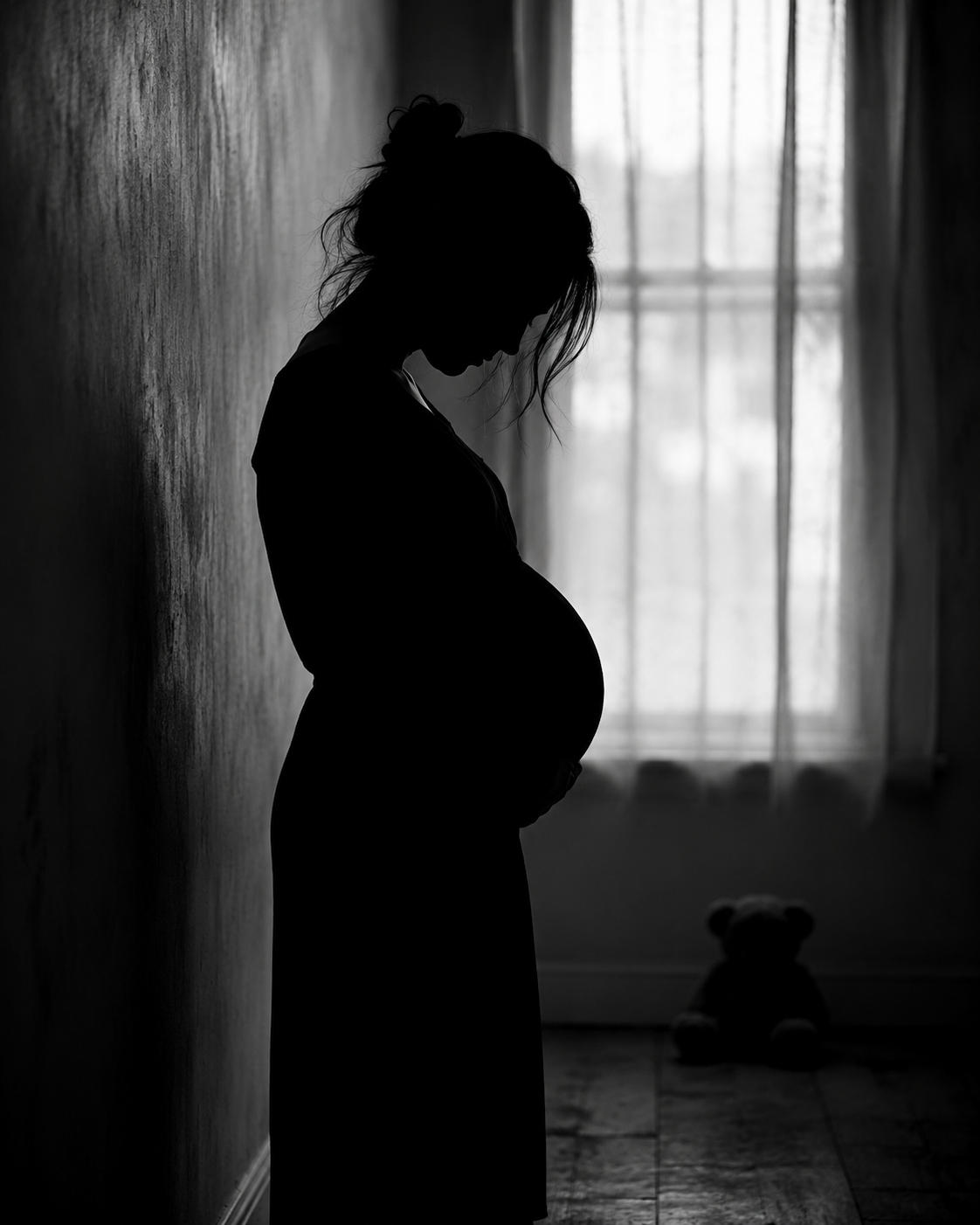
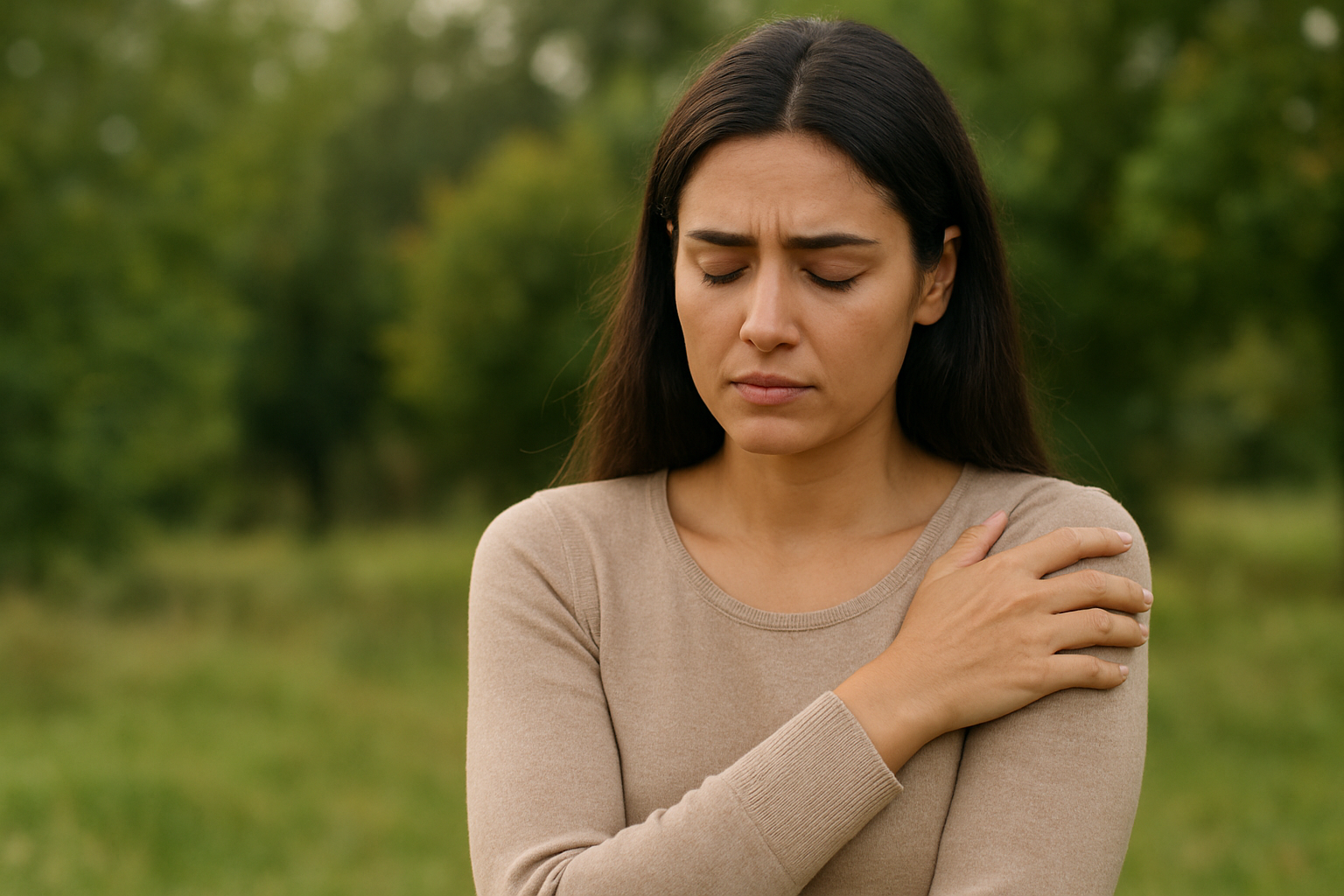
Struggling with body estrangement, trauma, or body changes? Learn how to reconnect with your body, rebuild trust, and cultivate self-compassion. Explore practical strategies for healing after infertility, trauma, or disordered eating, and discover how therapy can support your journey toward body awareness and inner alignment.
November 24, 2025
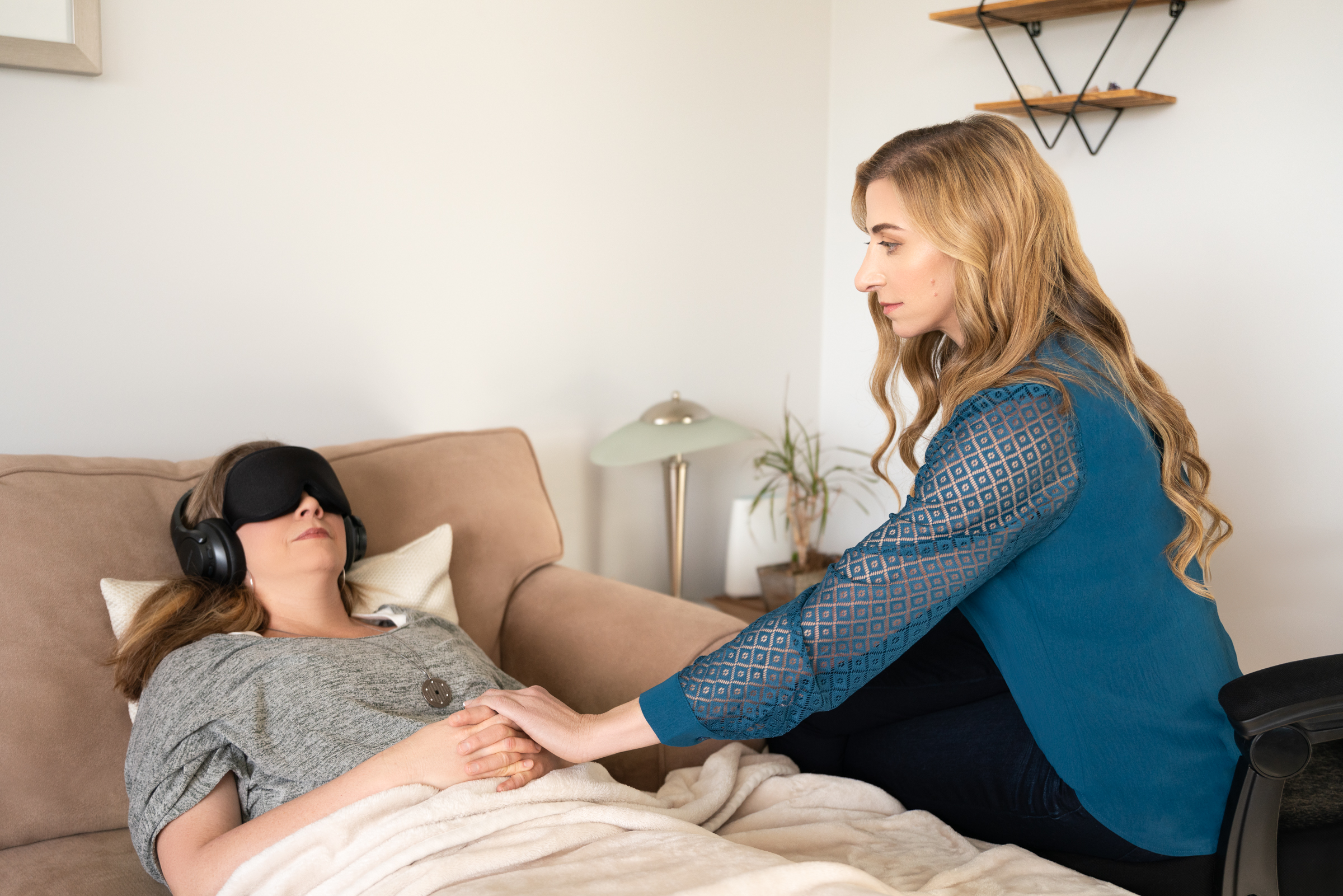
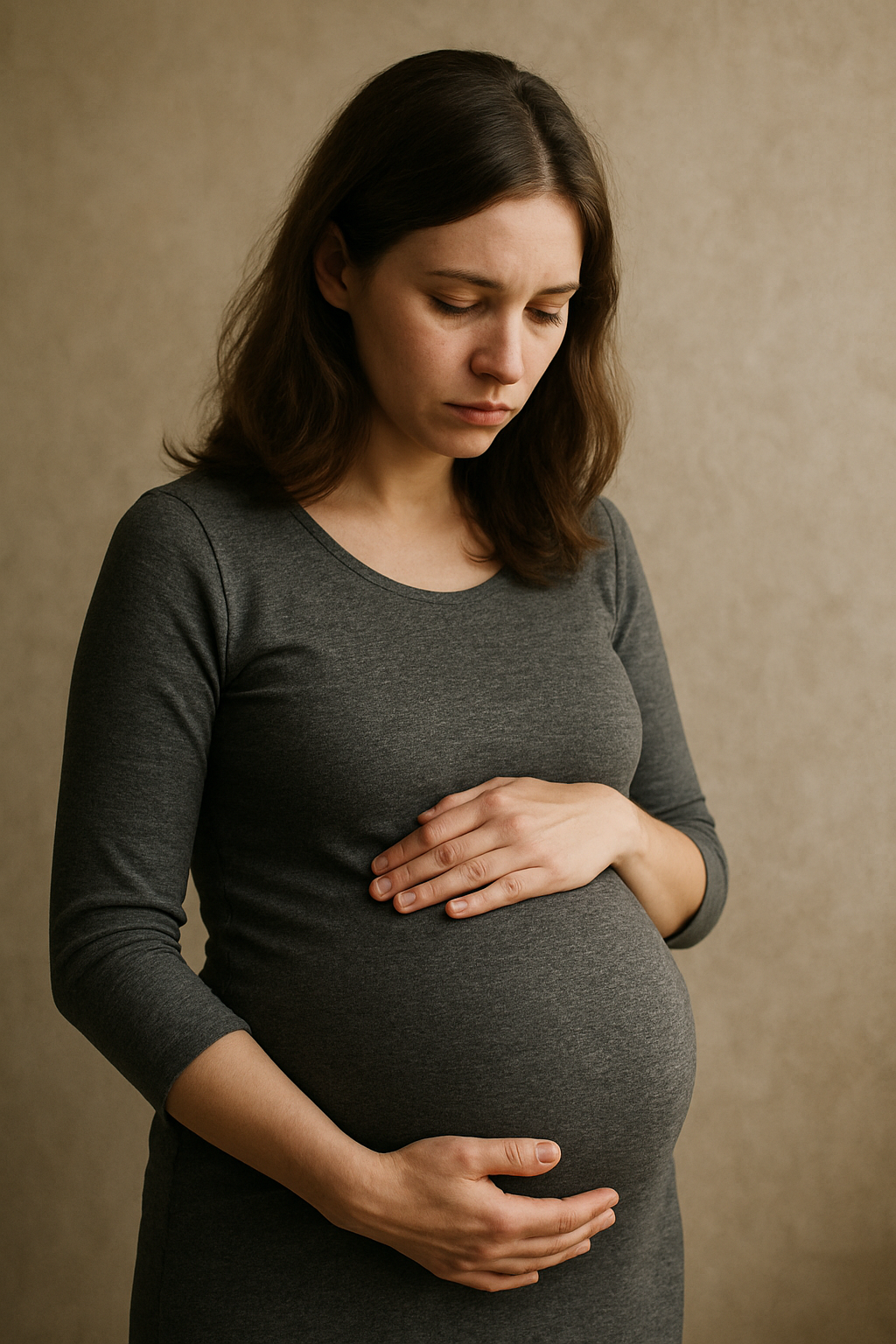
Pregnancy after infertility or loss can feel unexpectedly complicated. Many people notice that stepping into a pregnant identity feels unfamiliar, fragile, or emotionally complex. Learn how to navigate this transition by acknowledging mixed emotions, grieving what was endured, and gradually rebuilding trust in your body.
November 22, 2025